
Tackling Lead Contaminated Water
Clean drinking water is essential for our health, much like the fresh sea breeze at the Jersey Shore is for our spirits. Unfortunately, New Jersey faces its share of challenges with lead contamination in water supplies. By learning about the sources of lead, its impacts, and prevention methods, we can safeguard our families and communities.

The Sources of Lead Contamination
Lead is a heavy metal that has historically been used in various products but is now known for its toxic properties. In New Jersey, lead can enter drinking water from several sources:
The Health Effects of Lead
Lead exposure can have serious health consequences, affecting many systems in the body.
Neurological Impact
Children are particularly susceptible to lead poisoning. Even minimal exposure can lead to developmental issues, such as lower IQ, attention deficits, and learning difficulties. These effects can be long-lasting and significantly impact a child’s future.
Cardiovascular Concerns
For adults, lead exposure can increase the risk of high blood pressure and cardiovascular diseases. Lead buildup in the arteries can cause atherosclerosis, which can lead to heart attacks and strokes.
Developmental and Reproductive Health
Lead exposure can delay physical growth and development in children. In adults, it can affect reproductive health, leading to reduced fertility in men and increased risks of miscarriage and premature birth in women.
Detecting Lead in Your Water
Changes in the taste, smell, or appearance of your water could indicate the presence of lead. Additionally, older homes and buildings are more likely to have lead pipes, which can increase the risk.
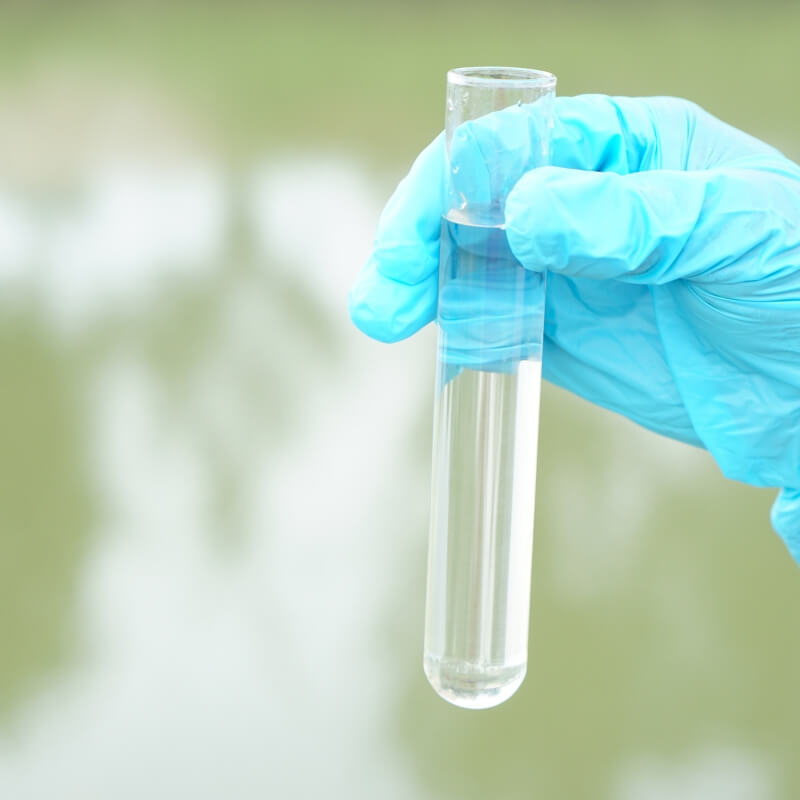
Regular water testing is essential to identify and measure lead levels accurately. Professional testing services can provide a clear understanding of the lead content in your water.
Strategies to Prevent Lead Contamination
Immediate Actions
Long-Term Solutions
Aqua Chill’s Commitment to New Jersey
Aqua Chill is dedicated to providing New Jersey with advanced water filtration systems that remove lead and other contaminants. Our systems, designed for both residential and commercial use, ensure safe and clean drinking water. We offer regular maintenance and prompt service to keep your water filtration system in top condition.
Lead contamination is a serious issue, but with the right steps, it can be managed effectively. Aqua Chill is here to help you protect your water supply.
Testing your water and consulting with our experts can help you take the necessary steps to ensure your water is safe. Contact Aqua Chill of New Jersey today to schedule an appointment and start securing your water quality.